

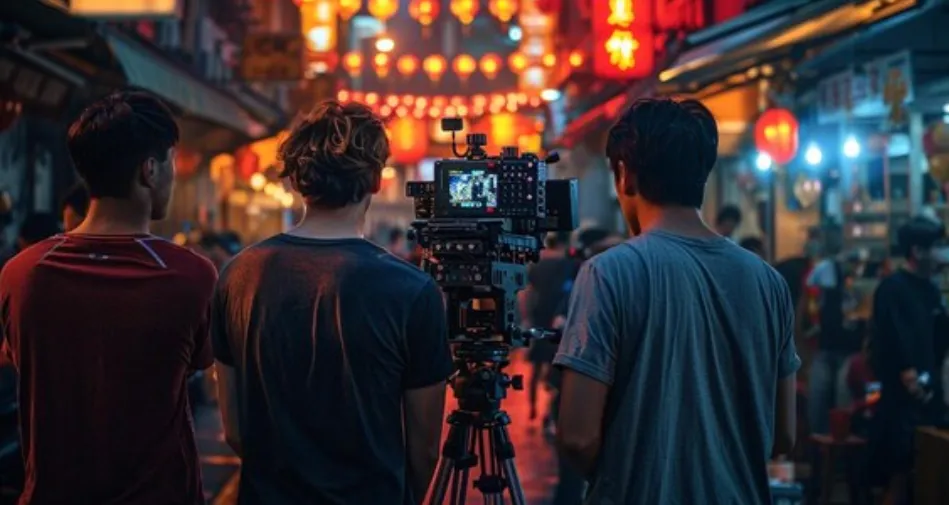
Large festivals, public gatherings, cultural events, and live celebrations can give international crews strong visual material, but they also create fast-moving production challenges. A fixer for foreign journalists can help visiting teams coordinate access, contributors, transport, and communication while reporters remain focused on the story.
Crowds, restricted areas, changing schedules, security procedures, and noise can all affect how a crew works. Preparing for these conditions early makes it easier to capture useful footage without allowing logistics to dominate the assignment.
Understand the Event Structure
Before filming, the crew should know how the event is organised. Entry points, media areas, performance zones, security boundaries, and peak crowd periods can influence where cameras can operate and how quickly teams can move.
A simple site map and clear timetable can save valuable time. Producers should also identify which parts of the event are essential to the story rather than attempting to cover every activity taking place.
Confirm Access Requirements
Questions around filming permits South Korea productions may become especially important at organised events. Accreditation, venue approval, restricted filming zones, or additional permission may apply depending on the location and scale of the crew.
These details should be checked before the event begins. Arriving with the wrong access expectations can leave a crew outside an important area or force last-minute changes to the planned coverage.
Choose Camera Positions Early
Crowded environments become harder to navigate once an event reaches full capacity. Camera teams should identify useful positions before large numbers of visitors arrive whenever access allows.
The best position is not always the closest to the action. A slightly wider viewpoint may provide cleaner movement, better sound, and stronger context while avoiding constant obstruction from spectators.
Prepare for Difficult Sound
Live events often combine music, announcements, crowds, traffic, and multiple conversations at the same time. These conditions can make interviews and reporter pieces difficult to record clearly.
Crews should carry audio equipment suited to noisy environments and identify quieter nearby areas for interviews. Recording clean natural sound separately can also give editors more flexibility when building the final sequence.
Keep the Kit Mobile
Heavy equipment can become a disadvantage in crowded public spaces. Large cases, extensive lighting, and complicated setups may slow movement and make it harder to respond when activity shifts elsewhere.
A compact camera and sound package can help crews move more freely. Equipment choices should support the kind of coverage required without adding unnecessary obstacles in busy environments.
Coordinate Contributors Carefully
Event organisers, performers, visitors, experts, or community representatives may all become useful interview subjects. Their availability can change quickly once the event is underway.
Confirming interviews in advance helps protect the schedule, but flexibility is still essential. Contributors may be delayed, pulled into another activity, or available for only a short period between commitments.
Plan Movement Between Areas
A venue may look compact on a map while becoming difficult to cross once crowds, security checks, and barriers are in place. Crews should estimate real walking times between important filming positions.
Production teams also need a clear meeting point if members become separated. Simple coordination arrangements can prevent unnecessary calls and delays when mobile networks or background noise make communication difficult.
Capture More Than the Main Action
Strong event coverage includes details that help viewers understand atmosphere and context. Signs, food, costumes, preparations, audience reactions, transport, vendors, and small interactions can all become useful supporting footage.
These shots often help editors connect interviews and major sequences smoothly. They can also reveal cultural details that make international coverage feel more specific and grounded in place.
Prepare an Exit Strategy
Leaving a major event can be as complicated as entering it. Roads may close, public transport may become crowded, and production vehicles can be difficult to reach after large gatherings end.
The crew should know where equipment will be collected and how transport will operate once filming finishes. Planning the departure protects both equipment and the schedule for the next assignment.
Conclusion
Filming major public events in South Korea can provide international crews with colour, energy, strong human stories, and valuable cultural context. The challenge is capturing those elements while navigating access, crowds, sound, movement, and rapidly changing conditions.
Good preparation gives journalists and filmmakers more control in unpredictable environments. When access, equipment, contributors, transport, and camera positions are organised in advance, crews can respond more confidently to the event itself and return with footage that supports a clear, focused story.
