

At the start, Octavia does not look like someone heading toward extreme decisions later. She is emotional, even impulsive in reaction, though nothing is so far threateningly unknown. Her initial behaviors are more about survival and a place to belong. That makes the later shift feel sharper when it finally happens. It is not sudden exactly, but it still catches attention.
Pressure builds quietly instead of exploding immediately.
Her transformation is not one big moment; it stacks over time. Situations keep forcing her to make harder choices without much recovery space. Each decision adds pressure, even when it seems small at first. This slow build matters because it explains why later actions feel intense. Without that buildup, the change would not make much sense.
Looking at the Octavia Blake: Road to Destruction idea
The phrase “Octavia Blake: road to destruction” fits when observing how her decisions become more extreme gradually. She does not start with destructive intent, but outcomes begin leaning that way. Survival pushes her into positions where softer options disappear quickly. Over time, the pattern becomes harder to reverse. It is less about one mistake and more about repeated pressure shaping behavior, which can lead to a cycle of stress and poor decision-making that further complicates her leadership journey.
Leadership comes without preparation or balance.
Octavia moves into leadership without a stable support system around her. This creates a situation where decisions depend entirely on her judgment. There is no consistent feedback or correction from others. That lack of balance makes it easier for extreme thinking to take hold, as the absence of diverse perspectives and constructive criticism can lead to a skewed understanding of situations and reinforce biases. Leadership becomes isolating instead of supportive.
The environment plays a bigger role than it first seems.
The setting she operates in is harsh and constantly demanding. Resources are limited, and threats are always present. These conditions push leaders toward strict and sometimes aggressive strategies. It is not just personal change; the environment encourages it by creating pressures that necessitate adaptation and strategic responses from leaders. That influence is easy to overlook but important to consider.
Decision-making shifts from reactive to controlling.
At first, her choices are reactions to immediate danger. Later, she starts making decisions that control situations before they happen. This shift increases her influence but also raises risks. Controlling outcomes requires stricter actions, which can escalate quickly, leading to potential backlash from those affected by her decisions. It changes how others respond to her as well, leading to a potential decrease in support and collaboration from her peers.
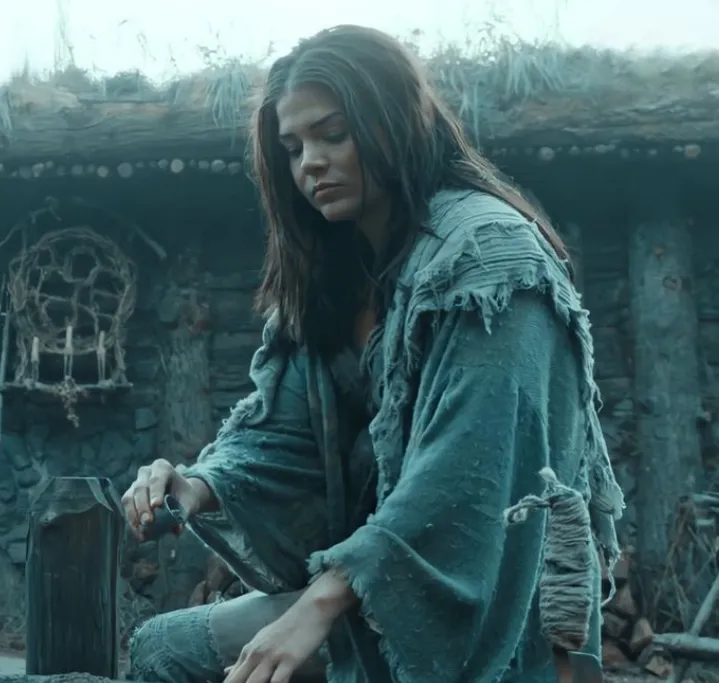
The role of isolation becomes more obvious over time.
As responsibilities increase, her connection with others weakens. She becomes more isolated, even when surrounded by people. This isolation affects how she processes information and emotions, leading to a skewed perception of reality and difficulty in understanding others’ perspectives. Without open communication, decisions become more internal and less balanced, leading to a lack of diverse perspectives and increased emotional turmoil. That makes extreme choices easier to justify internally, leading to actions that may escalate conflicts and affect her relationships with others.
Understanding Octavia Blake’s impact on the show
When looking at Octavia Blake’s impact on the show, her role becomes central in shaping major conflicts. Her decisions influence not just immediate outcomes but long-term direction. She changes how power is used and how groups respond to leadership, leading to shifts in alliances and conflicts that redefine the dynamics within the group. This impact goes beyond her storyline and affects multiple characters.
Control and order become her main focus.
Maintaining control becomes a priority as situations grow more unstable. Order is considered necessary for survival, even when it requires strict enforcement. This mindset leads to decisions that prioritize structure over flexibility. It can stabilize situations temporarily but also create resistance, as individuals may feel constrained by the lack of flexibility and autonomy in their roles. The balance between control and trust becomes harder to maintain.
Reactions from others start shifting noticeably.
People around her begin responding differently as her approach changes. Some follow her because they see strength in her decisions. Others question her methods and resist her authority. This split creates tension within groups that were once more unified. It shows how leadership style affects group stability.
Consequences do not stay limited to single events.
Each decision leads to outcomes that extend beyond immediate situations. These consequences build on each other, creating a chain effect. It becomes harder to separate one action from another. This accumulation increases the overall impact of her choices. It also makes reversing direction more difficult over time.
Conclusion
Octavia’s path shows how gradual changes can lead to significant shifts in behavior and leadership style. Her transformation is shaped by pressure, isolation, and the need to maintain control in unstable conditions. Decisions that start as practical responses slowly become part of a larger pattern, which ultimately shapes the dynamics of her leadership and the behavior of those she leads. This pattern affects not only her but also the groups around her. Looking at her role in a broader sense, it becomes clear that her influence extends beyond individual actions. It reflects how leadership can evolve under extreme stress, sometimes moving in directions that are difficult to manage or reverse.
